Why FAQ pages still need real yard context
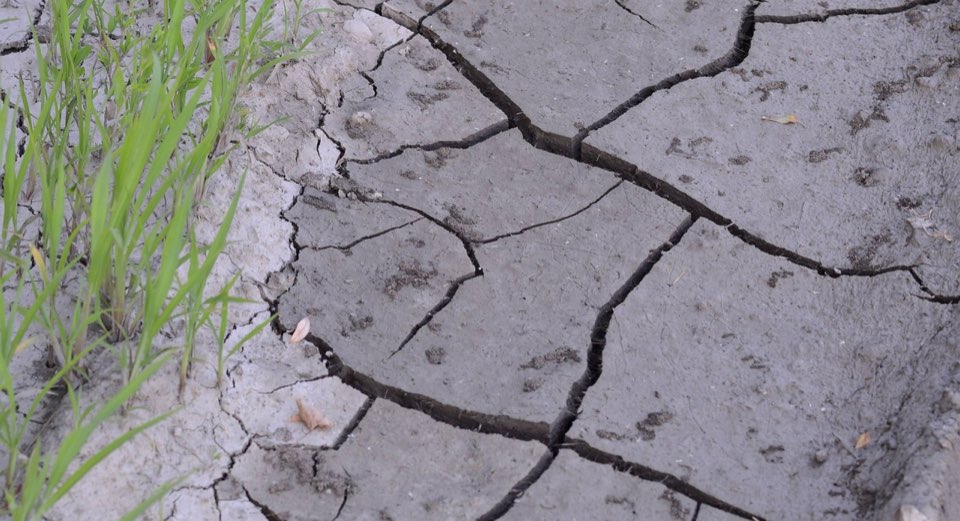
Most quick lawn questions still come back to the same visual problem: some parts of the yard stay green, while stressed areas dry out fast under heat, sun, or foot traffic.
This page is for the faster questions that show up before a homeowner is ready for a full grass-type or region page.
Most quick lawn questions still come back to the same visual problem: some parts of the yard stay green, while stressed areas dry out fast under heat, sun, or foot traffic.
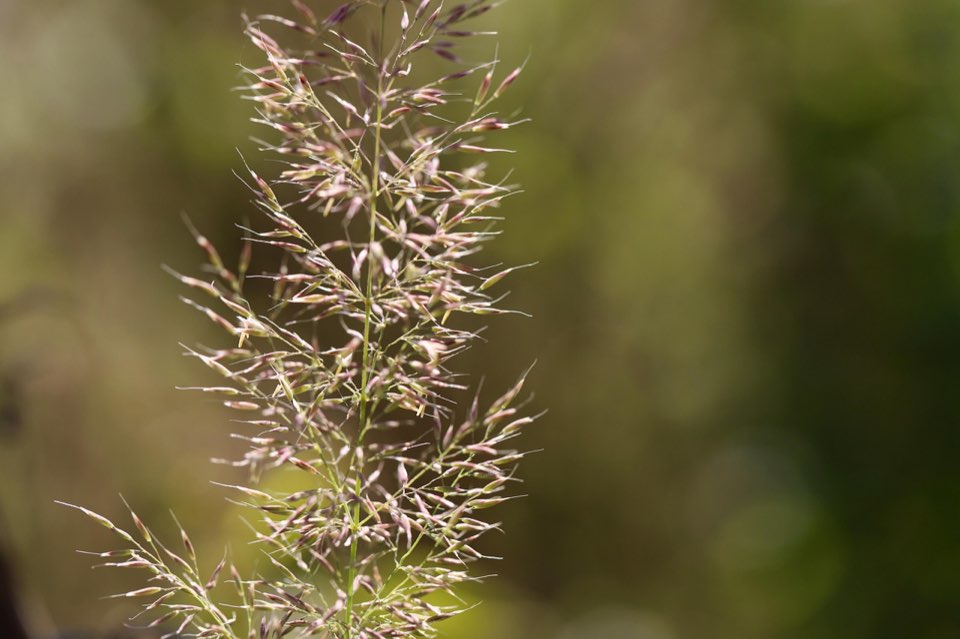
Before homeowners ask about overseeding or shade, they usually need to know whether they are dealing with a warm-season, cool-season, or lower-input lawn path.
In hot southern climates, bermuda and zoysia are usually the strongest pure drought-tolerance picks. In mixed climates, tall fescue often remains the most practical cool-season answer.
Yes, but overseeding depends on the current grass family and the reason you are overseeding. Thickening tall fescue is different from refreshing a warm-season lawn.
Some of the best full-sun drought grasses are less comfortable in shade. A lawn with only partial light may need a different compromise than a lawn in open sun all day.
New seed needs more frequent light moisture during germination than an established drought-tolerant lawn. The long-term low-water benefit comes later, not on day one.
Tall fescue can be a strong option in many transition zones, especially where summer stress matters but you still want a greener cool-season look and fall establishment.
For much of Texas, bermuda and zoysia dominate the shortlist because they handle heat and sun well once established.