Match heat pattern first
Long hot summers usually push you toward warm-season grasses. Mild winters and shoulder-season planting may keep tall fescue in play.
This site is built around one question homeowners keep asking: which drought tolerant grass seed should I buy for my region, heat, sun exposure, and watering limits? Use the main guides to narrow the grass family first, then move into region pages and planting timing.
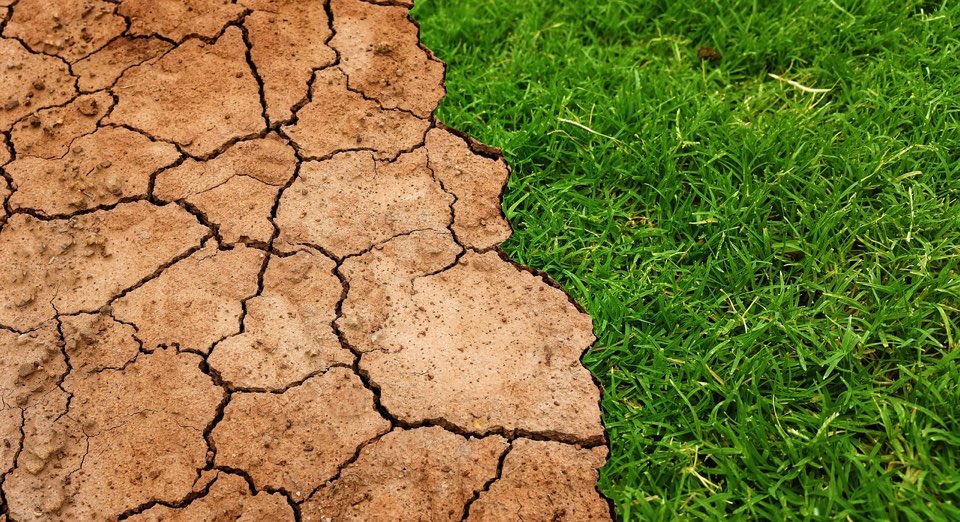
In hot southern climates, bermuda, zoysia, and buffalograss usually handle drought best. In transition zones, tall fescue is often the best compromise when you still want a cool-season look with better dry-down tolerance than Kentucky bluegrass.
Drought tolerant grass seed pages work best when they answer the practical buying questions up front, not just give a long species list.
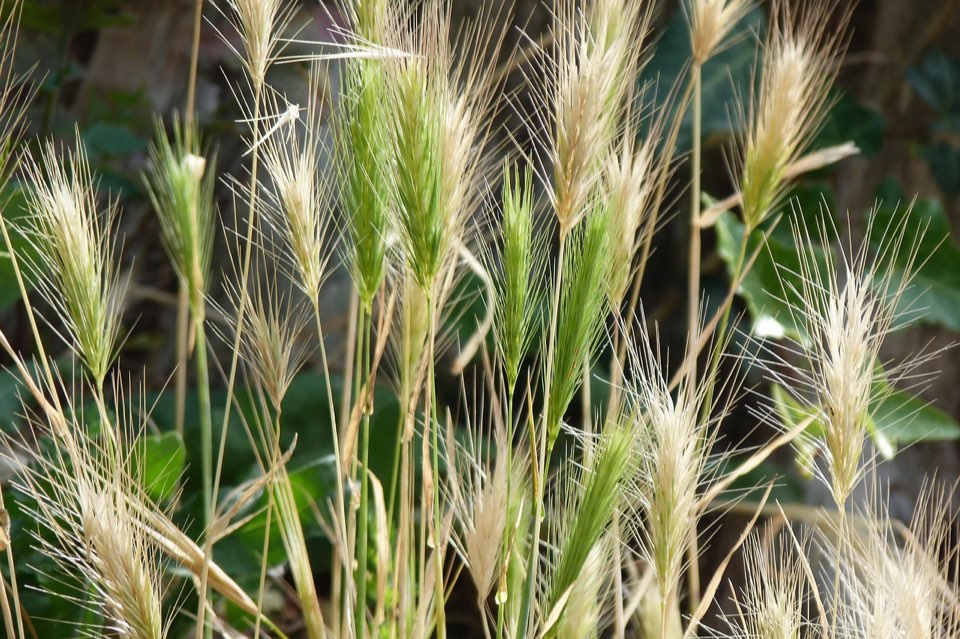
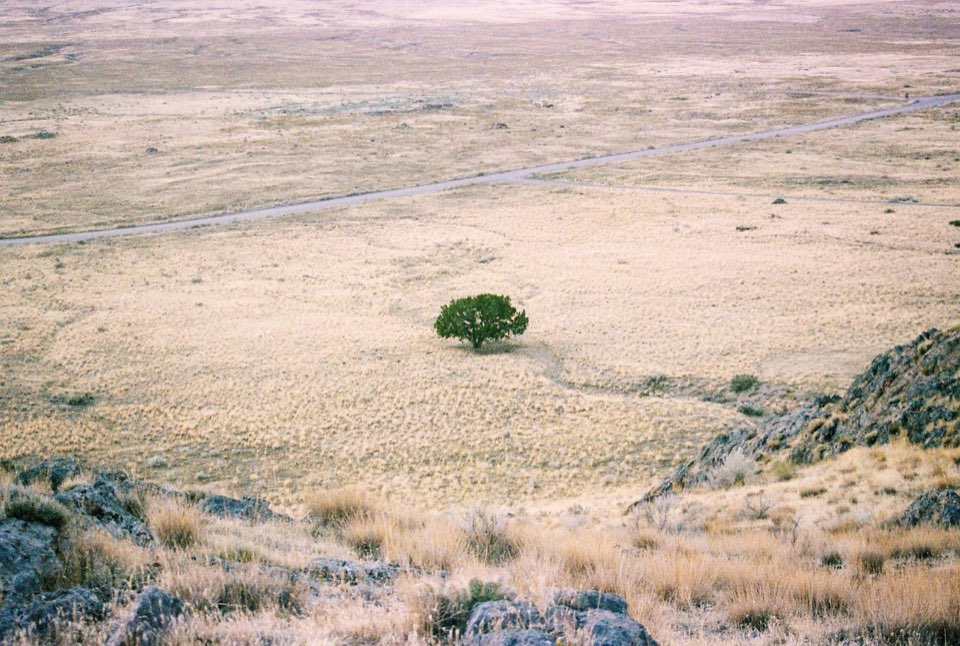

Long hot summers usually push you toward warm-season grasses. Mild winters and shoulder-season planting may keep tall fescue in play.
If the lawn will be watered lightly or only during establishment, seed choice becomes much more important than fertilizer timing.
Some homeowners want the toughest traffic lawn. Others want a lawn that survives dry spells with less frequent watering and lower maintenance.
Use the site like a front-page reference hub: choose the topic cluster first, then move into the page that fits your yard.
Start with the broad comparison if you still need to narrow the field by heat tolerance and lawn expectations.
Open comparison guideCompare the three seed families most homeowners evaluate when they want a lawn that can hold up better in dry conditions.
Open seed-type hubRegional pages help because drought pressure, summer heat, and watering restrictions vary more than broad national guides admit.
Open regional hubMost failed drought-tolerant lawns are planted at the wrong time or pushed into stressful temperatures too early.
Open planting calendarGood seed still fails if the seed bed, coverage rate, and first watering window are handled poorly.
Open planting guideUse the FAQ page for short answers about overseeding, shade, dogs, watering, and the best grass for dry yards.
Open FAQUse the shade guide when the lawn no longer behaves like an all-day full-sun drought page.
Open shade guideCombine durability and lower irrigation planning when a backyard lawn takes regular pet traffic.
Open dog-lawn guideExpand beyond Texas and California with more region-specific pages that reflect real climate differences.
Browse regional pagesMove into the hotter, more exposed lawn intent where warm-season choices usually dominate the shortlist.
Open heat guideUse comparison and compromise pages when the yard sits between cool-season expectations and warm-season pressure.
Open transition guideAdd a lower-input option for homeowners whose goal is survivability with fewer intervention habits.
Open buffalograss guideUse this page when you still prefer a classic cool-season lawn and need to understand why bluegrass keeps getting compared with tall fescue.
Open Kentucky bluegrass guideUse this page when a familiar cool-season mix ingredient keeps showing up in your search, but you still need to know whether it truly belongs in a drought-first lawn decision.
Open perennial ryegrass guideUse this comparison when you already know your climate points warm-season, but you still need to choose between the tougher bermuda path and the denser zoysia path.
Open bermuda vs zoysiaUse this page when the lawn is struggling with thin topsoil, compaction, or weak fill dirt before pure drought tolerance even becomes the main issue.
Open poor-soil guideMove here when the yard drains fast, dries fast, and needs a shortlist that makes sense under weak water retention.
Open sandy-soil guideUse this page when the goal is lower water use without turning the whole yard into a no-lawn hardscape project.
Open xeriscape guideMove here when appearance standards matter and a lower-water lawn still has to look intentional from the street.
Open HOA guideUse this page when you want reviews, but still need the shortlist organized by climate fit instead of generic top-ten hype.
Open review guideMove here when the yard compacts hard, holds water awkwardly, and still dries into stressful summer conditions.
Open clay-soil guideUse this page when exposed ground or slope runoff matters as much as drought tolerance and the lawn needs stronger holding logic.
Open erosion guideMove here when the goal is a more realistic yard under irrigation limits, utility pressure, or watering restrictions.
Open restriction guideUse this page when shallow rocky ground makes rooting, moisture retention, and establishment much harder than a normal lawn site.
Open rocky-soil guideMove here when the yard has to survive kids, traffic, and sun while still staying realistic under lower irrigation.
Open playground guideUse this page when dogs, dry weather, and repeated yard wear all matter more than a delicate showcase-lawn look.
Open pet-lawn guideMove here when hard ground is blocking rooting and making ordinary drought-lawn advice too optimistic from the start.
Open compacted-soil guideUse this page when street-facing appearance has to stay controlled while the lawn still shifts toward a more water-efficient plan.
Open front-yard guideMove here when you want a simpler warm-climate lawn path and need to see where centipede fits compared with bermuda, zoysia, and buffalograss.
Open centipede guideUse this page when the lawn has to keep a more polished curb-facing look instead of sliding into a purely survival-first yard.
Open curb-appeal guideMove here when the smaller footprint changes the tradeoff and lets you aim for a tighter, more intentional low-water lawn.
Open small-yard guideUse this page when the lawn has to stay clean and durable around summer activity, hardscape, and steady sun exposure.
Open pool-area guideMove here when the lawn needs to stay inviting for guests, furniture, and gatherings instead of acting like a pure survival patch.
Open entertaining guideUse this page when the lawn sits close to hardscape and has to stay cleaner and more deliberate than a rough utility patch.
Open patio guideMove here when the yard needs to survive real-world tenant use and still stay acceptable without a fragile maintenance plan.
Open rental guideUse this page when narrow strips, awkward light, and heat traps make the side yard behave differently from the rest of the lawn.
Open side-yard guideMove here when the lawn needs to handle family use, missed routines, and regular wear without becoming a constant repair job.
Open family guideUse this page when enclosed yard walls, heat reflection, and high visibility make the courtyard behave differently from the rest of the property.
Open courtyard guideMove here when the lawn has to survive concentrated dog-run wear instead of occasional pet traffic across a broader yard.
Open dog-run guideUse this page when the yard is smaller, more visible, and more shared-facing than a typical detached-home lawn.
Open townhome guideMove here when the backyard layout is tight enough that traffic paths and uneven light matter as much as the climate.
Open narrow-yard guideUse this page when the lawn has to stay acceptable to multiple households instead of following one person’s ideal maintenance routine.
Open shared-yard guideMove here when the outdoor space is narrow, visible, and too constrained for a generic full-yard lawn strategy.
Open row-house guideUse this page when narrow enclosed walk zones need cleaner edges and better wear handling than a generic courtyard lawn plan.
Open courtyard-path guideMove here when the yard has to stay visible and acceptable across shared use without becoming a maintenance-heavy weak point.
Open duplex guideThis first version already covers the main search intent buckets that can expand into a much larger lawn site.
Use this page when you are still deciding whether your climate should point you toward bermuda or zoysia, or whether tall fescue remains viable.
Read the season comparisonTexas is one of the strongest region pages because homeowners repeatedly search for seed that survives heat, sun, and watering limits.
Open Texas guideCalifornia deserves its own page because coastal and inland climates behave differently, while water efficiency remains a major concern.
Open California guideOne of the highest value evergreen topics for this niche because planting season drives germination success more than many buyers realize.
Open planting timing pageA strong second-wave page because many dry-yard buyers discover that shade changes the ranking completely.
Open shade pageThis page catches the overlap between pet durability and low-water lawn intent.
Open dog-lawn pageA strong third-wave page because so many homeowners sit in the compromise climate band.
Open transition-zone pageThis page tightens the highest-exposure intent instead of leaving it buried inside broader drought guides.
Open full-sun page